


The
Daily
Fix
For load:
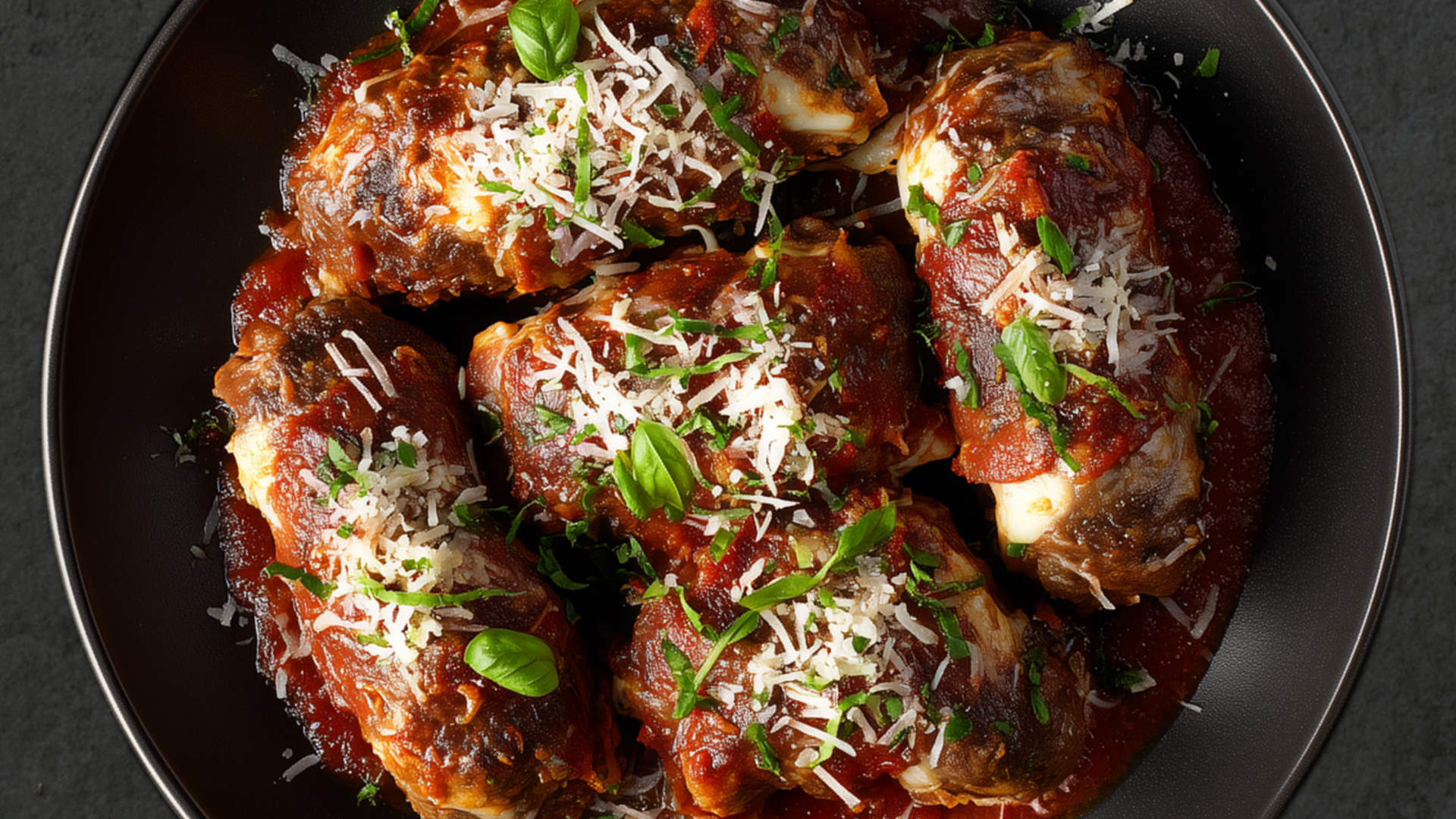
Beef Braciole
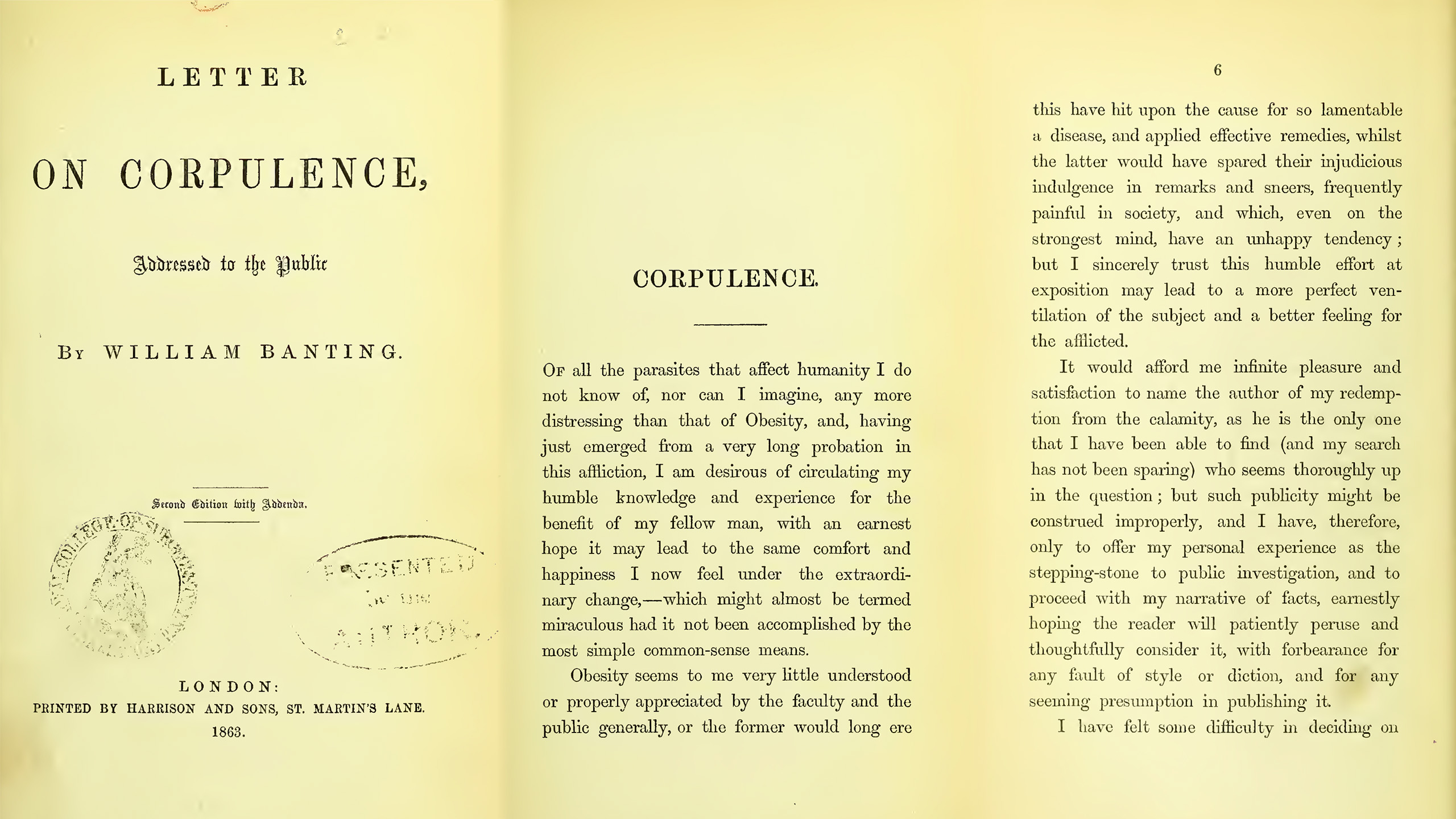
Letter on Corpulence
Shoulder press 5-5-3-3-3-1-1-1-1 reps
Thinly sliced beef rolled with cheese, herbs, and prosciutto, braised in a rich tomato sauce until tender and flavorful.
William Banting’s 19th-century case for reducing starch and sugar to treat obesity
Attempt to increase loads for each of the 9 sets.
Additionally, accumulate 3 minutes of hollow hold.
Post loads to comments.
Compare to 251023.
Ingredients
For the Beef Rolls:
2 lbs flank steak or top round, sliced thin into 6–8 cutlets
4 oz prosciutto or pancetta, thinly sliced
1 cup shredded provolone or mozzarella cheese
½ cup grated Parmesan cheese
3 cloves garlic, minced
2 Tbsp fresh parsley, chopped
2 Tbsp olive oil
Salt and black pepper, to taste
Butcher’s twine or toothpicks (for securing rolls)
For the Sauce:
2 Tbsp butter or tallow
1 medium onion, diced
3 cloves garlic, minced
1 can (28 oz) crushed tomatoes (no sugar added)
1 cup beef broth
½ cup dry red wine
2 tsp dried oregano
1 tsp red pepper flakes (optional)
Salt and pepper, to taste
Optional Garnish:
Extra Parmesan cheese
Fresh basil or parsley
Macronutrients
(per serving, serves 6)
Protein: 48g
Fat: 32g
Carbs: 9g
Preparation
Slice steaks into thin cutlets. Lay beef slices flat. Season lightly with salt and pepper. Top each with prosciutto, a sprinkle of Parmesan, shredded provolone, garlic, and parsley. Roll tightly and secure with twine or toothpicks.
Heat butter in a large Dutch oven or skillet over medium-high. Sear rolls 2–3 minutes per side until browned. Remove and set aside.
In the same pot, add butter or tallow. Sauté onion 4–5 minutes until softened. Add garlic and cook 1 minute more. Stir in red wine, scraping up browned bits. Cook 2–3 minutes until slightly reduced.
Add crushed tomatoes, beef broth, oregano, and red pepper flakes. Return braciole to the pot, nestling them into the sauce. Cover and simmer on low heat until beef is fork-tender. (For best results simmer on low heat for 1½-2 hours. Thinner cuts of meat can be cooked quicker but a longer simmer time will yield the most tender and flavorful results.)
Remove twine or toothpicks before serving. Adjust sauce with salt and pepper as needed.
Plate braciole with sauce ladled over the top. Garnish with extra Parmesan and fresh basil.
In this 1863 pamphlet, English businessman William Banting describes his long struggle with obesity and the many ineffective treatments he tried—exercise, spa therapies, medications, and severe calorie restriction—before finding success with a dietary approach recommended by a physician. Banting explains that despite remaining active and not overeating, his weight steadily increased, which he attributed largely to frequent consumption of bread, sugar, milk, beer, and potatoes.
Under his new plan, Banting eliminated most starchy and sugary foods and instead ate mainly meat, fish, vegetables (excluding potatoes), and small amounts of fruit while avoiding bread, milk, sugar, beer, and other foods he believed promoted fat accumulation. Within months he reported steady weight loss, improved mobility, better sleep, and relief from various health complaints. Banting ultimately lost about 46 pounds and described feeling healthier than he had in decades.
Although written long before modern metabolic science, Banting’s account is one of the earliest widely circulated descriptions of a carbohydrate-restricted diet for weight loss. His experience challenged the prevailing belief that obesity was primarily caused by inactivity or gluttony, and his pamphlet helped popularize the idea that certain foods—particularly starches and sugars—play a central role in fat gain.




WEDNESDAY 260429