


The
Daily
Fix
For load:
Spaghetti Squash Carbonara with Crispy Bacon and Parmesan
The Sugar Study's Lung Cancer Problem
400-m farmer carry
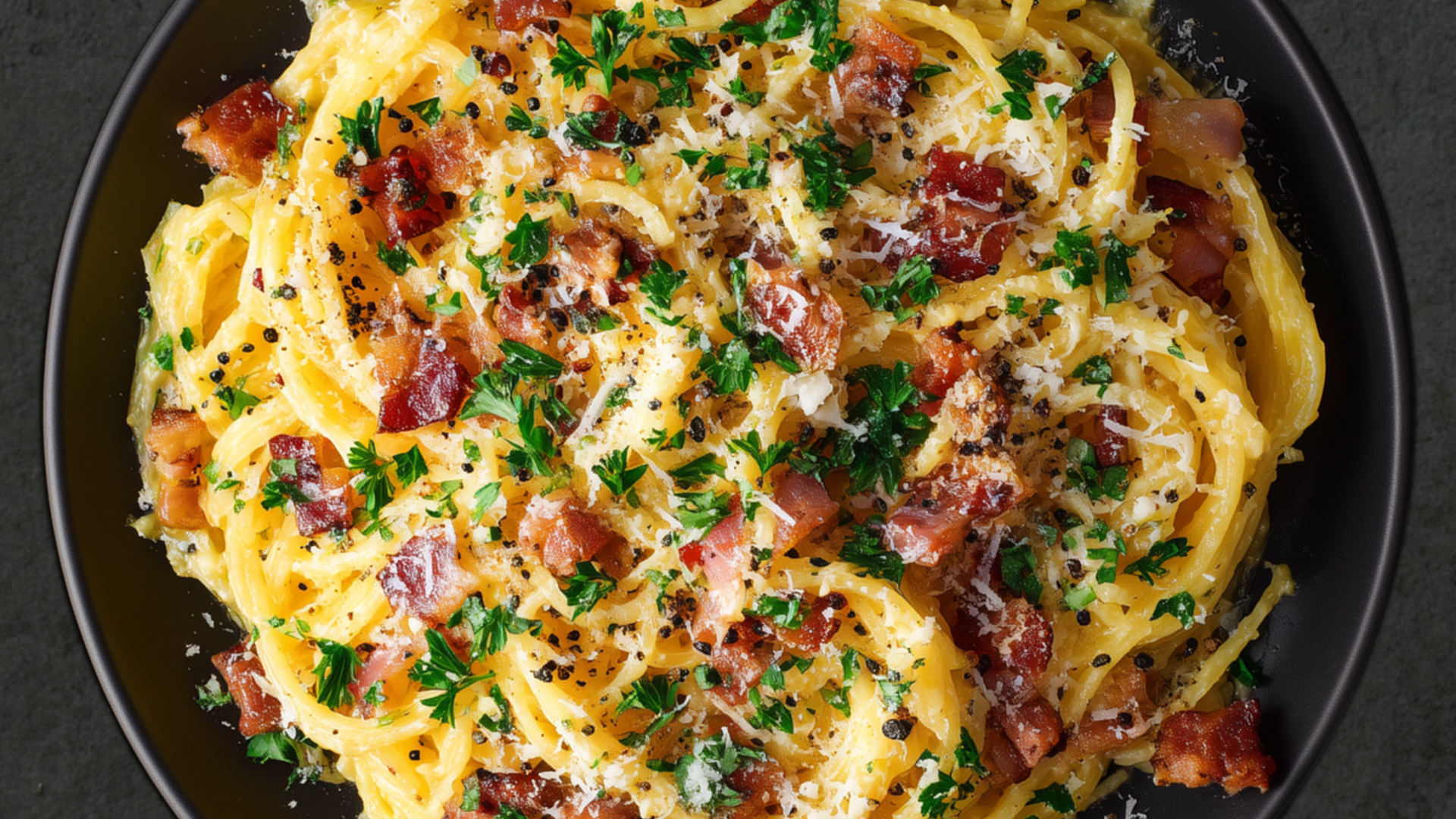
A creamy, rich carbonara made with roasted spaghetti squash, crisp bacon, and a silky egg-based sauce.
What a natural experiment can tell us about early-life sugar, cancer, and the limits of causal inference
With an object in each hand, carry the full distance without setting the weight down. If you fail, reduce the load and try again.
Spend ample time warming up and practicing with various loads at shorter distances to give yourself an idea of what’s possible.
Post load to comments.
Ingredients
1 medium spaghetti squash (yields ~3 cups cooked strands)
1 Tbsp butter or tallow (for cooking)
4 slices sugar-free bacon, chopped
2 cloves garlic, minced
2 large egg yolks
½ cup grated Parmesan cheese
Salt and black pepper, to taste
Optional: 1 tsp olive oil (cold drizzle for finishing)
Optional garnish: chopped parsley or extra Parmesan
Macronutrients
(per serving, makes 2)
Protein: 23g
Fat: 28g
Carbs: 7g
Preparation
Preheat oven to 400°F (205°C). Cut squash in half lengthwise and scoop out seeds. Lightly salt the inside and place cut-side down on a baking sheet.
Roast for 35–40 minutes or until the flesh easily shreds with a fork. Let cool slightly, then scrape out ~3 cups of squash strands.
In a large skillet, melt butter or tallow (1 Tbsp) over medium heat. Add chopped bacon and cook until crispy, about 6–8 minutes. Remove bacon and set aside, leaving fat in the pan.
Add garlic (2 cloves) to the pan and sauté for 30 seconds until fragrant.
In a small bowl, whisk together egg yolks (2) and Parmesan (½ cup). Set aside.
Add cooked spaghetti squash (3 cups) to the skillet with the garlic and bacon fat. Toss gently to heat through, about 1–2 minutes.
Slowly stir in the egg yolk-Parmesan mixture, tossing quickly to create a creamy sauce (the residual heat will cook the yolks without scrambling). Stir in bacon. Season with salt and generous black pepper.
Plate and top with additional Parmesan and parsley. Drizzle with olive oil (1 tsp) if desired.
Let’s Start with the Truth examines a study using the end of British sugar rationing in 1953 as a natural experiment. Among more than 64,000 UK Biobank participants, greater exposure to rationing during the first 1,000 days of life was associated decades later with substantially lower rates of five cancers, including a reported 69% lower hazard of liver and intrahepatic bile-duct cancer. The study describes these effects as causal, but the article argues that this conclusion depends heavily on assuming that nearby birth cohorts differed primarily in their early exposure to sugar rationing.
The reported 41% lower hazard of lung cancer provides a useful test of that assumption. Because lung cancer is strongly influenced by lifetime smoking and other environmental and social exposures, such a large association raises the possibility that the birth cohorts differed in important ways beyond childhood sugar intake. The article doesn’t argue that this disproves a protective effect of early sugar restriction; instead, it uses the finding to illustrate the limits of causal inference from natural experiments. The larger lesson is that especially large, appealing results deserve scrutiny for alternative explanations—even when they support something we already believe.




TUESDAY 260922